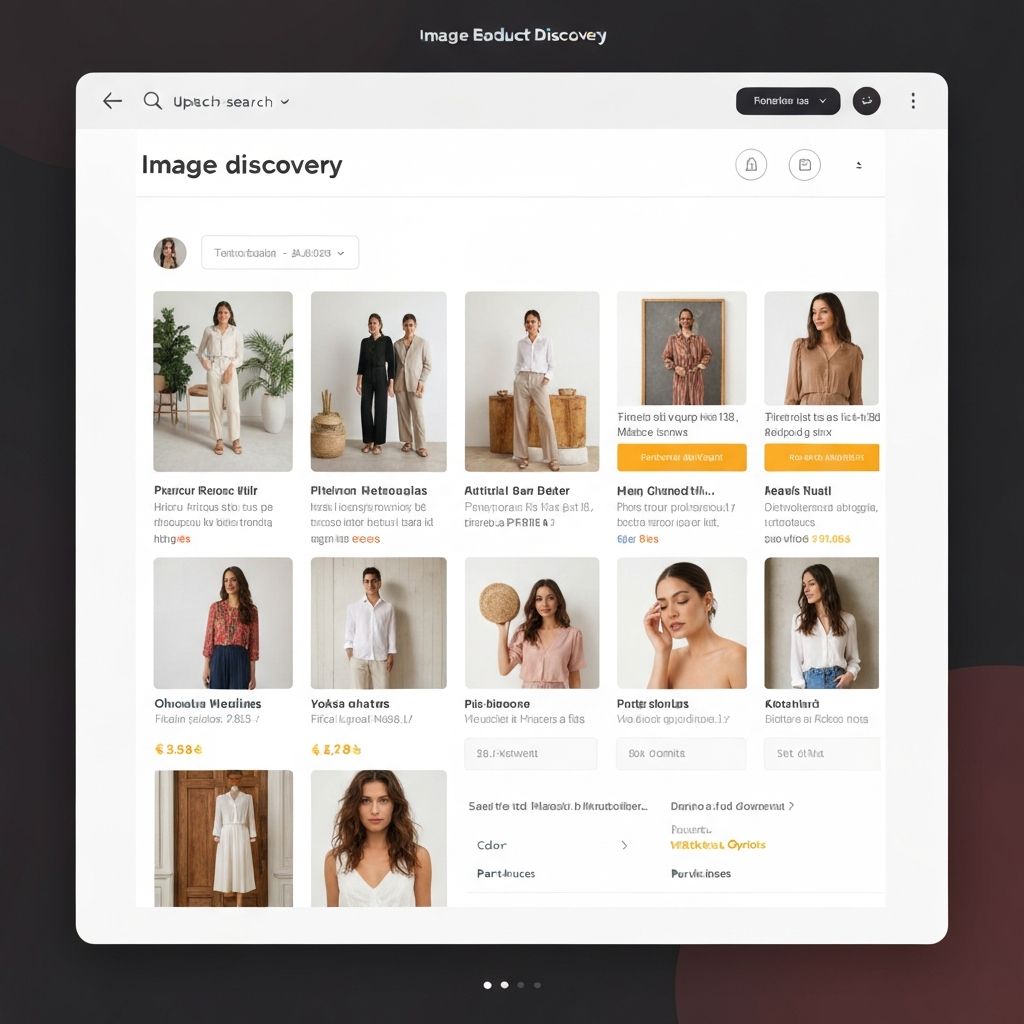
The End of the Vocabulary Barrier
In 2026, the way we describe what we want has fundamentally changed. Retailers who have integrated high-density visual search tools have seen a 32% surge in conversions. This is because visual search removes the 'vocabulary barrier.' A user doesn't need to know that a specific chair is 'Mid-Century Modern with a Bauhaus twist'; the AI simply sees it and finds the closest match on the global market.
The Kashkha Revolution
In Lebanon and the wider MENA region, this has huge implications for 'Kashkha' culture. High-end fashion is no longer gatekept by brand names. AI can find 'dupes' that match the quality and aesthetic of luxury items by scanning thousands of independent suppliers.
Multimodal Large Language Models
The technology behind this involves 'Multimodal Large Language Models' (MLLMs) that can process images and text simultaneously. When a user says 'Tell AI what you want,' the system is performing billions of calculations to map the user's plain English onto a global database of product vectors.
The result is a ranking system that prioritizes 'Visual Fidelity' alongside 'Price' and 'Shipping Speed.' By mapping visual descriptors to manufacturing specifications, AI eliminates the 'expectation vs. reality' gap in online shopping.
Beirut's Design Scene Goes Global
In Beirut's vibrant design scene, architects and interior designers are using these tools to source materials in real-time from local artisans and global suppliers alike. The visual web is no longer a collection of static photos; it is a live, shoppable map of the material world.
As we move further into the year, the integration of Augmented Reality (AR) with visual synthesis will allow users to 'see' the product in their space with 99.9% accuracy, further reducing return rates and increasing consumer confidence.